
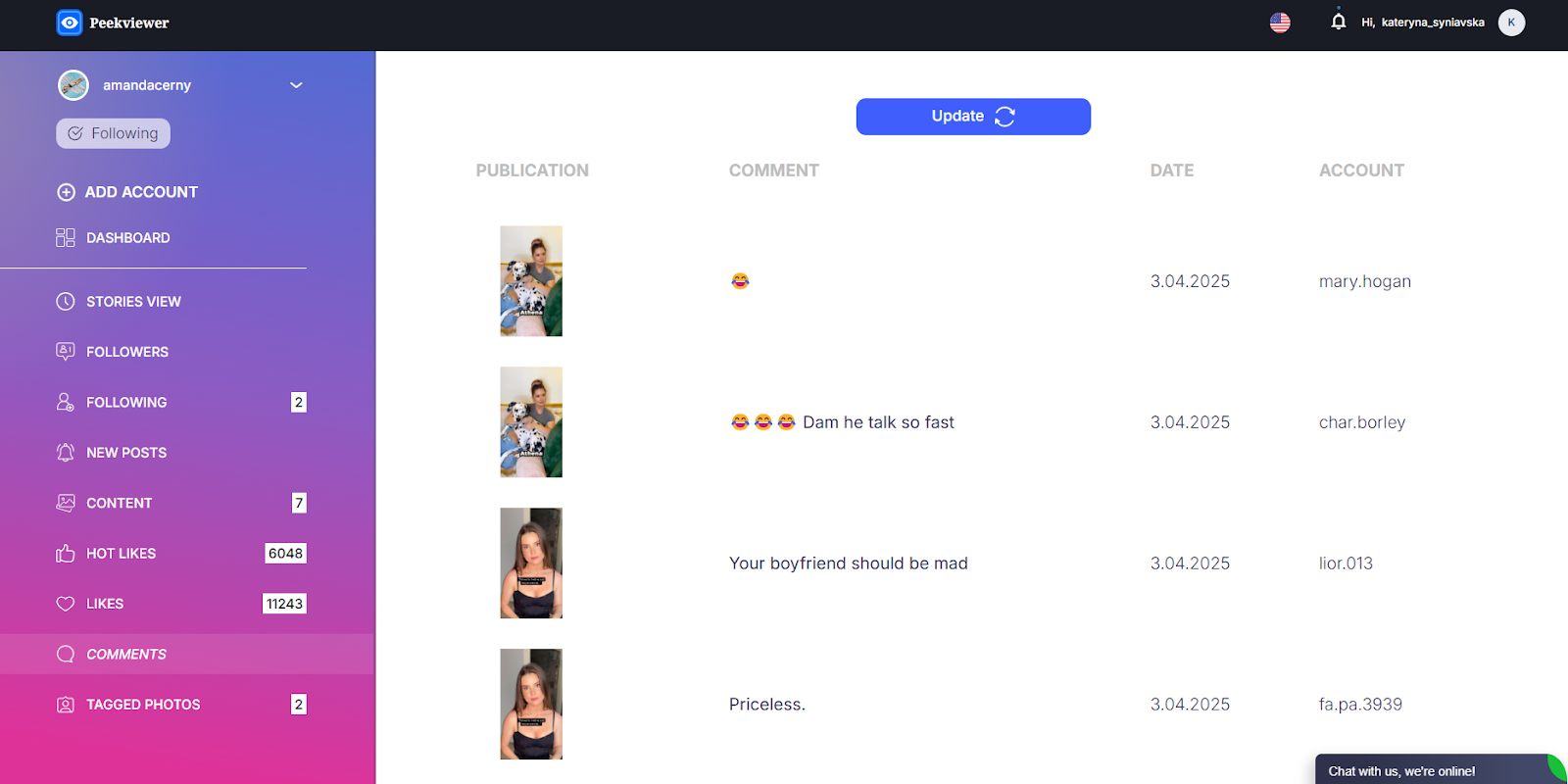
Peekviewer is an innovative tool designed for viewing and analyzing microscopy images, particularly those generated through advanced imaging techniques such as super-resolution microscopy. It has gained attention in the scientific community due to its user-friendly interface and powerful visualization capabilities, enabling researchers to explore complex datasets efficiently. Peekviewer supports a wide range of image formats commonly used in biological imaging, making it a versatile choice for laboratories handling diverse data types.
One of the standout features of Peekviewer is its ability to handle large datasets smoothly without compromising performance. This capability is crucial when working with high-resolution images that can easily reach gigabyte sizes. The software offers intuitive zooming and panning functions, allowing users to navigate intricate details with ease. Additionally, Peekviewer review provides customizable color maps and contrast adjustments that enhance image interpretation by highlighting specific structures or signals within the data.
Another advantage lies in its compatibility with various operating systems, including Windows, macOS, and Linux. This cross-platform support ensures accessibility for a broad user base without being restricted by hardware limitations. Furthermore, Peekviewer integrates well with other analysis tools through export options and plugin support, facilitating seamless workflows from image acquisition to quantitative analysis.
When compared to alternatives like ImageJ/Fiji or Napari, Peekviewer holds its own by focusing on optimized visualization rather than extensive image processing capabilities. ImageJ/Fiji remains one of the most popular choices due to its comprehensive suite of plugins covering everything from basic editing to complex analyses; however, this versatility sometimes comes at the cost of complexity for new users. In contrast, Peekviewer’s streamlined design prioritizes ease-of-use while still offering essential features needed for detailed examination.
Napari stands out as another modern contender offering interactive multi-dimensional image viewing with Python integration for custom scripting and automation purposes. While Napari excels in flexibility for programmers and developers involved in computational microscopy projects, it may present a steeper learning curve compared to Peekviewer’s straightforward graphical interface aimed at bench scientists who prefer minimal setup time.
In summary, Peekviewer serves as an excellent middle ground between highly specialized but complex platforms like ImageJ/Fiji and developer-focused tools such as Napari. Its focus on efficient rendering of large microscopy images combined with accessible controls makes it suitable for researchers seeking quick yet detailed inspection capabilities without delving into extensive processing pipelines. For labs prioritizing rapid visualization over exhaustive manipulation or scripting potential, Peekviewer represents a valuable addition among available microscopy viewers on the market today.