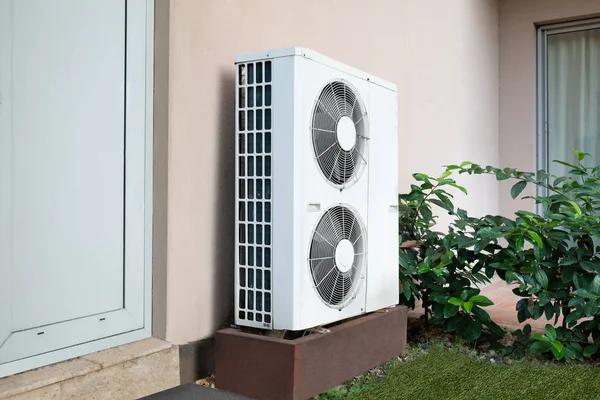
Mini split air conditioners have become increasingly popular as an efficient and flexible cooling solution for homes and offices. Unlike traditional central air systems, mini splits do not require ductwork, making them ideal for spaces where installing ducts is impractical or too costly. These systems consist of two main components: an outdoor compressor unit and one or more indoor air-handling units. The connection between these units is made by refrigerant lines, which carry the cooling agent back and forth to regulate indoor temperatures effectively.
One of the key advantages of mini split ACs is their ability to provide zoned cooling. Each indoor unit can be controlled independently, allowing users to set different temperatures in various rooms according to personal preferences or usage patterns. This feature enhances comfort while reducing energy consumption since you only cool occupied areas instead of the entire building. Additionally, many models come with inverter technology that adjusts compressor speed based on demand rather than cycling on and off completely. This results in quieter operation, improved efficiency, and longer equipment lifespan.
Installation of a mini split system typically involves mounting the indoor units on walls or ceilings inside living spaces while placing the outdoor compressor outside the building envelope. Because there are no ducts involved, installation is less invasive compared to traditional HVAC systems but still requires professional expertise to ensure proper sizing, refrigerant handling, electrical connections, and placement for optimal performance. Proper installation also ensures compliance with local regulations and manufacturer warranties.
Maintenance requirements for mini splits are generally straightforward but essential for maintaining efficiency over time. Regular cleaning of filters helps maintain airflow quality while preventing dust buildup that could strain components. Periodic inspection by a qualified technician can detect potential issues early before they lead to costly repairs or reduced performance.
Energy efficiency ratings such as SEER (Seasonal Energy Efficiency Ratio) help consumers compare different models when choosing a Mini Split AC system suited to their needs. Higher SEER values indicate better efficiency under typical operating conditions.
In summary, mini split air conditioners offer a versatile alternative to conventional cooling methods through easy installation without ductwork, customizable temperature control per room, quiet operation thanks to advanced technologies like inverters, and energy-efficient performance supported by proper maintenance practices. For those seeking targeted climate control solutions with minimal disruption during setup combined with long-term savings on utility bills, investing in a well-chosen mini split system represents a smart choice worth considering carefully before purchase decisions are made.