Category: Product

  • When Your AC Needs Attention, Choose Reliable Air Conditioning Repair Services in Oceanside, CA

    When Your AC Needs Attention, Choose Reliable Air Conditioning Repair Services in Oceanside, CA

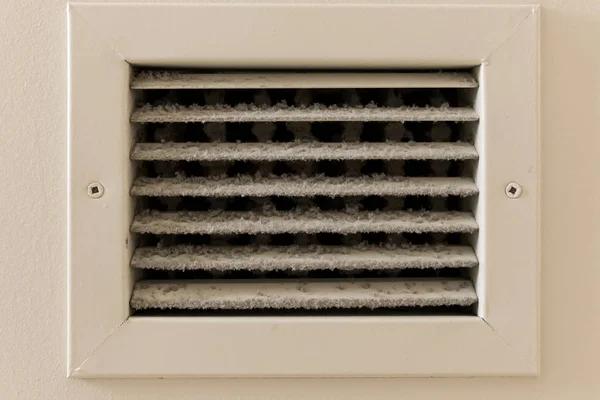
    Living in Oceanside, CA, means enjoying the beautiful coastal climate that Southern California is known for. However, even in this idyllic setting, the summer months can bring intense heat that makes a functioning air conditioning system essential for comfort and well-being. When your AC unit starts showing signs of trouble or breaks down altogether, it’s crucial to seek professional assistance from reliable air conditioning repair services in the area.

    The importance of having a dependable AC system cannot be overstated. It not only keeps your home cool but also helps maintain indoor air quality by filtering out dust and allergens. Therefore, when issues arise—such as unusual noises, weak airflow, or inconsistent temperatures—it’s vital to address them promptly with expert help.

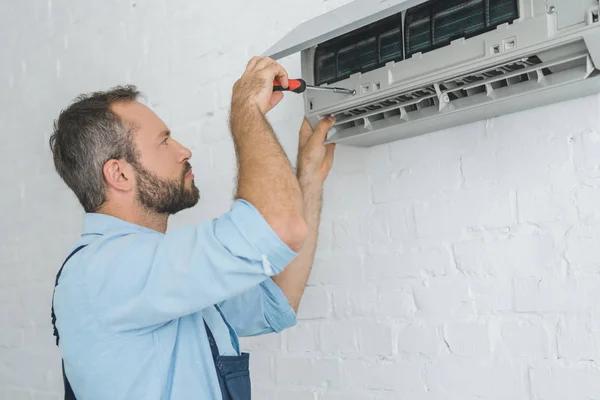
    One key reason to choose reputable Reliable air conditioning repair services in Oceanside, CA is their expertise and experience. Professional technicians have extensive training and knowledge about various AC models and systems. They can quickly diagnose problems and implement effective solutions to restore your unit’s functionality. This level of proficiency ensures that repairs are done correctly the first time, saving you both time and money in the long run.

    Moreover, established repair companies often provide comprehensive services beyond just fixing immediate issues. They offer preventive maintenance plans designed to keep your AC running smoothly throughout its lifespan. Regular maintenance checks can identify potential problems before they escalate into costly repairs or complete system failures.

    Reliability also extends to customer service. Trustworthy repair services prioritize clear communication with their clients from start to finish. They provide transparent estimates without hidden fees and explain all necessary work so you understand what you’re paying for and why it’s needed.

    Choosing local experts has additional benefits as well—they are familiar with common issues specific to the region’s climate conditions which might affect your cooling system differently than elsewhere. Their proximity allows for quicker response times during emergencies when every moment counts towards preventing further discomfort or damage within your home environment.

    Furthermore, many reliable companies stand behind their work by offering warranties on parts replaced during repairs along with satisfaction guarantees ensuring peace of mind knowing any future concerns will be addressed promptly at no extra cost if covered under warranty terms agreed upon initially prior commencing job order execution phase itself thus fostering trustworthiness between service provider client relationship dynamics over time through consistent delivery high-quality standards expected industry wide across board overall contextually speaking too!

    In conclusion: when faced with an underperforming AC unit amidst sweltering Oceanside summers; opting seasoned professionals specializing HVAC systems becomes imperative decision making process safeguarding investment returns while enhancing living space ambiance simultaneously achieved via selecting right partner capable delivering exceptional results consistently exceeding expectations set forth beforehand mutually beneficially always!

  • Benefits of Using a Food Warmer Display in Commercial Kitchens

    Benefits of Using a Food Warmer Display in Commercial Kitchens

    In commercial kitchens, maintaining the quality and temperature of prepared food is essential for customer satisfaction and operational efficiency. A food warmer display offers a practical solution by keeping dishes at optimal serving temperatures while showcasing them attractively. This equipment plays a significant role in enhancing both the functionality and presentation within busy culinary environments.

    One of the primary advantages of using a food warmer display is its ability to preserve food safety standards. When foods are held at consistent warm temperatures, typically above 140°F (60°C), the risk of bacterial growth decreases significantly. This ensures that meals remain safe for consumption over extended periods, which is particularly important during peak service times or buffet setups. By minimizing temperature fluctuations, these devices help comply with health regulations and reduce potential liability issues related to foodborne illnesses.

    Beyond safety, a Food Warmer Display improves operational workflow by reducing waste and increasing efficiency. Prepared dishes can be kept ready for quick service without compromising taste or texture, allowing kitchen staff to manage orders more effectively during busy hours. This readiness minimizes delays between cooking and serving, helping maintain steady customer turnover without sacrificing quality.

    The visual appeal offered by these displays also contributes positively to customer experience and sales. Many models feature transparent glass panels with internal lighting that highlight the appearance of hot foods attractively. This visibility encourages impulse purchases as customers can see exactly what is available before ordering or selecting items from a buffet line. Enhanced presentation often leads to higher perceived value of menu offerings, supporting better revenue generation for businesses.

    Energy efficiency is another benefit associated with modern food warmer displays. Advanced designs incorporate insulated materials and precise temperature controls that optimize heat retention while minimizing electricity consumption compared to traditional warming methods like open flames or ovens left on standby mode. Lower energy use not only reduces operating costs but also aligns with sustainability goals increasingly prioritized in today’s hospitality industry.

    Moreover, versatility in design allows these units to fit various kitchen layouts and service styles-from fast-food counters to upscale dining establishments-making them adaptable tools across different segments of the commercial food sector. Their ease of cleaning and maintenance further enhances their practicality since hygiene remains paramount in any professional kitchen environment.

    In summary, integrating a food warmer display into commercial kitchens offers multiple benefits including improved food safety compliance, enhanced operational efficiency, attractive product presentation, energy savings, and adaptability across diverse settings. These advantages collectively contribute toward smoother kitchen operations while elevating guest satisfaction through consistently well-maintained hot meals ready for immediate enjoyment.

  • Everything You Need to Know About Mini Split AC

    Everything You Need to Know About Mini Split AC

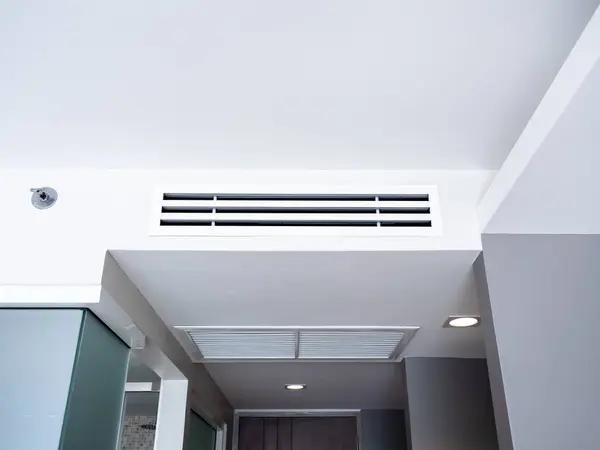
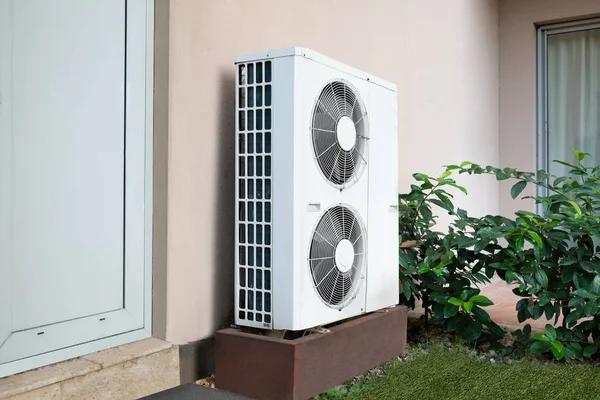
    Mini split air conditioners have become increasingly popular as an efficient and flexible cooling solution for homes and offices. Unlike traditional central air systems, mini splits do not require ductwork, making them ideal for spaces where installing ducts is impractical or too costly. These systems consist of two main components: an outdoor compressor unit and one or more indoor air-handling units. The connection between these units is made by refrigerant lines, which carry the cooling agent back and forth to regulate indoor temperatures effectively.

    One of the key advantages of mini split ACs is their ability to provide zoned cooling. Each indoor unit can be controlled independently, allowing users to set different temperatures in various rooms according to personal preferences or usage patterns. This feature enhances comfort while reducing energy consumption since you only cool occupied areas instead of the entire building. Additionally, many models come with inverter technology that adjusts compressor speed based on demand rather than cycling on and off completely. This results in quieter operation, improved efficiency, and longer equipment lifespan.

    Installation of a mini split system typically involves mounting the indoor units on walls or ceilings inside living spaces while placing the outdoor compressor outside the building envelope. Because there are no ducts involved, installation is less invasive compared to traditional HVAC systems but still requires professional expertise to ensure proper sizing, refrigerant handling, electrical connections, and placement for optimal performance. Proper installation also ensures compliance with local regulations and manufacturer warranties.

    Maintenance requirements for mini splits are generally straightforward but essential for maintaining efficiency over time. Regular cleaning of filters helps maintain airflow quality while preventing dust buildup that could strain components. Periodic inspection by a qualified technician can detect potential issues early before they lead to costly repairs or reduced performance.

    Energy efficiency ratings such as SEER (Seasonal Energy Efficiency Ratio) help consumers compare different models when choosing a Mini Split AC system suited to their needs. Higher SEER values indicate better efficiency under typical operating conditions.

    In summary, mini split air conditioners offer a versatile alternative to conventional cooling methods through easy installation without ductwork, customizable temperature control per room, quiet operation thanks to advanced technologies like inverters, and energy-efficient performance supported by proper maintenance practices. For those seeking targeted climate control solutions with minimal disruption during setup combined with long-term savings on utility bills, investing in a well-chosen mini split system represents a smart choice worth considering carefully before purchase decisions are made.

  • Window Air Conditioner Benefits Every Homeowner Should Know

    Window Air Conditioner Benefits Every Homeowner Should Know

    Window air conditioners offer numerous advantages that make them an appealing choice for many homeowners seeking effective cooling solutions. One of the primary benefits is their affordability compared to central air conditioning systems. Since window units are smaller and designed to cool individual rooms, they require less upfront investment and lower installation costs. This makes them ideal for those on a budget or living in rental properties where permanent modifications might not be allowed.

    Another significant advantage is the ease of installation. Window air conditioners can typically be installed without professional help, requiring only basic tools and some careful positioning in a suitable window frame. This convenience allows homeowners to quickly set up their cooling system without waiting for technicians or incurring additional service charges. Additionally, these units are relatively compact, which helps save space inside the home while still providing efficient cooling.

    Energy efficiency is another key benefit that appeals to environmentally conscious users and those looking to reduce electricity bills. Many modern Window Air Conditioner conditioners come with energy-saving features such as programmable timers, adjustable thermostats, and eco-friendly refrigerants. By focusing on cooling specific areas rather than an entire house, these units consume less power overall compared to whole-house systems running continuously.

    Maintenance requirements for window air conditioners are generally straightforward and manageable by most homeowners. Regular cleaning of filters and occasional checks on components ensure optimal performance and prolong the unit’s lifespan. Unlike larger HVAC systems that may require specialized servicing multiple times a year, window units demand minimal upkeep, reducing long-term maintenance expenses.

    Portability adds further value since window air conditioners can be removed during cooler months or relocated between rooms if needed. This flexibility provides seasonal adaptability without committing to permanent installations or investing in multiple devices throughout the home.

    Moreover, window air conditioners contribute positively to indoor comfort by offering quick temperature adjustments tailored to occupants’ preferences within individual spaces like bedrooms or offices. They also often include built-in fans or dehumidifiers that enhance airflow quality beyond simple cooling functions.

    In summary, the combination of cost-effectiveness, ease of installation, energy efficiency, low maintenance needs, portability, and customizable comfort makes window air conditioners a practical solution every homeowner should consider when addressing their home cooling requirements efficiently and economically.

  • Energy Efficient Mini Split Units for Every Season

    Energy Efficient Mini Split Units for Every Season

    Energy efficient mini split units have become increasingly popular for their ability to provide reliable heating and cooling throughout the year while minimizing energy consumption. These systems are designed to offer flexibility, allowing users to maintain comfortable indoor temperatures regardless of the season. Unlike traditional HVAC systems, mini splits operate without ductwork, which reduces energy losses commonly associated with air distribution through ducts. This design not only improves efficiency but also simplifies installation in homes or spaces where adding ductwork would be impractical or costly.

    One of the key advantages of energy efficient mini split units is their inverter technology. Inverter compressors adjust their speed based on the required temperature rather than cycling on and off completely. This continuous modulation results in more precise temperature control and significantly lower electricity usage compared to conventional fixed-speed systems. As a result, homeowners can enjoy consistent comfort without worrying about spikes in utility bills during extreme weather conditions.

    Mini splits also allow for zone-specific climate control since each indoor unit operates independently from others within the same system. This means different rooms or areas can be heated or cooled according to individual preferences, enhancing comfort while avoiding unnecessary energy expenditure in unused spaces. The ability to customize settings room by room contributes greatly to overall energy savings throughout all seasons.

    During colder months, many modern Mini Split models incorporate heat pump technology that efficiently extracts warmth from outdoor air even at low temperatures. This capability makes them an excellent alternative to traditional furnaces or electric heaters because they deliver more heat per unit of electricity consumed. Conversely, when summer arrives, these units reverse operation by removing heat from inside and releasing it outdoors, providing effective cooling with minimal power use.

    Maintenance requirements for mini split units tend to be straightforward as well; regular cleaning of filters and periodic professional check-ups ensure optimal performance over time without excessive effort or cost. Additionally, many manufacturers include programmable thermostats and smart controls that enable users to schedule operation times or adjust settings remotely via smartphone apps, further enhancing convenience and reducing wasted energy.

    Overall, investing in an energy efficient mini split unit offers a practical solution for year-round climate control that balances comfort with sustainability goals. By combining advanced technologies such as inverter-driven compressors and heat pumps with flexible zoning options and user-friendly controls, these systems represent a forward-thinking approach toward reducing environmental impact while maintaining ideal living conditions no matter the season outside.

  • Why the celtic harp is loved by traditional musicians

    Why the celtic harp is loved by traditional musicians

    The Celtic harp holds a special place in the hearts of traditional musicians due to its rich history, distinctive sound, and cultural significance. Unlike many modern instruments, the Celtic harp has deep roots that stretch back centuries, often associated with ancient Celtic societies across Ireland, Scotland, and Wales. This long-standing connection to heritage makes it more than just an instrument; it serves as a bridge linking contemporary players with their ancestors and the stories embedded in their music.

    One reason traditional musicians are drawn to the Celtic harp is its unique tonal quality. The instrument produces a warm, resonant sound that can evoke both melancholy and joy. Its delicate yet full-bodied timbre complements folk melodies beautifully without overpowering other instruments or vocals. This balance allows it to blend seamlessly into ensembles while also standing out during solo performances. The natural resonance of gut or nylon strings contributes to this expressive range, enabling musicians to convey subtle emotions through dynamics and articulation.

    Another factor contributing to the harp’s appeal is its versatility within traditional music settings. While often associated with slow airs and ballads, skilled players can adapt the instrument for lively jigs and reels as well. The ability to execute intricate fingerwork combined with rhythmic accompaniment makes it suitable for various musical styles within the Celtic tradition. Moreover, modern harps have incorporated innovations such as levers or pedals that allow for chromatic playing without losing authenticity. These features expand creative possibilities while respecting historical practices.

    Cultural symbolism also plays a significant role in why traditional musicians cherish the celtic harp. Historically regarded as an emblem of nobility and storytelling among Gaelic clans, it carries connotations of pride and identity today. Many performers see themselves as custodians of this legacy when they pick up the instrument, reinforcing community ties through shared repertoire passed down over generations. Playing the Celtic harp often involves immersion in oral traditions where tunes hold meanings beyond notes on a page-stories about land, love, loss, or celebration.

    Furthermore, learning the Celtic harp encourages discipline alongside artistic expression because mastering its techniques requires patience and dedication over time. Traditional musicians appreciate this challenge since it fosters deeper engagement with their craft rather than quick mastery typical of some contemporary instruments.

    In summary, traditional musicians love the Celtic harp for its historic significance, beautiful tone color, adaptability within folk genres, symbolic meaning tied to cultural identity, and rewarding learning process-all combining to make it an enduring favorite among those committed to preserving authentic musical traditions from Celtic regions worldwide.

  • How marriage counseling can help rebuild strong relationships

    How marriage counseling can help rebuild strong relationships

    Marriage counseling offers a valuable resource for couples seeking to strengthen their relationships and resolve conflicts in a constructive manner. When partners face challenges such as communication breakdowns, trust issues, or emotional disconnection, professional guidance can provide tools and strategies to address these difficulties effectively. The primary aim of marriage counseling is to create a safe space where both individuals feel heard and understood without judgment. This environment allows couples to explore underlying problems that may have been overlooked or avoided in everyday interactions.

    One of the key benefits of marriage counseling is improved communication between partners. Often, misunderstandings arise because people struggle to express their feelings clearly or listen actively. Counselors teach techniques that promote open dialogue, helping each person articulate needs and concerns while fostering empathy toward the other’s perspective. By learning how to communicate more openly and respectfully, couples can reduce arguments and build deeper emotional connections.

    Counseling also helps identify negative patterns within the relationship that contribute to ongoing conflict or dissatisfaction. These patterns might include blame-shifting, defensiveness, withdrawal, or unrealistic expectations. A counselor assists couples in recognizing these behaviors and understanding their origins so they can work together toward healthier interactions. Changing ingrained habits requires effort from both partners but becomes achievable with professional support tailored to their unique situation.

    In addition to addressing present issues, marriage counseling encourages couples to revisit shared goals and values that initially brought them together. Reconnecting over common aspirations strengthens commitment by reminding partners why they chose each other despite difficulties faced along the way. This renewed sense of purpose often motivates positive changes outside therapy sessions as well.

    Trust restoration is another crucial aspect addressed during counseling when it has been compromised by past mistakes such as infidelity or dishonesty. Therapists guide conversations around accountability and forgiveness while helping rebuild confidence through consistent actions aligned with promises made moving forward.

    Furthermore, marriage counseling provides coping mechanisms for managing stressors external to the relationship itself-such as financial pressures or family dynamics-that may exacerbate tensions at home. Learning how external factors influence emotions enables couples to respond more thoughtfully rather than react impulsively under pressure.

    Ultimately, marriage counseling empowers couples by equipping them with practical skills needed not only for resolving current conflicts but also for maintaining a resilient partnership over time. It fosters mutual respect, understanding, and cooperation which form the foundation of strong relationships capable of weathering future challenges together confidently rather than drifting apart silently due to unresolved grievances.

    Through dedicated effort guided by professional insight, many couples find renewed hope in rebuilding intimacy and trust previously thought lost-transforming struggles into opportunities for growth rather than reasons for separation altogether.