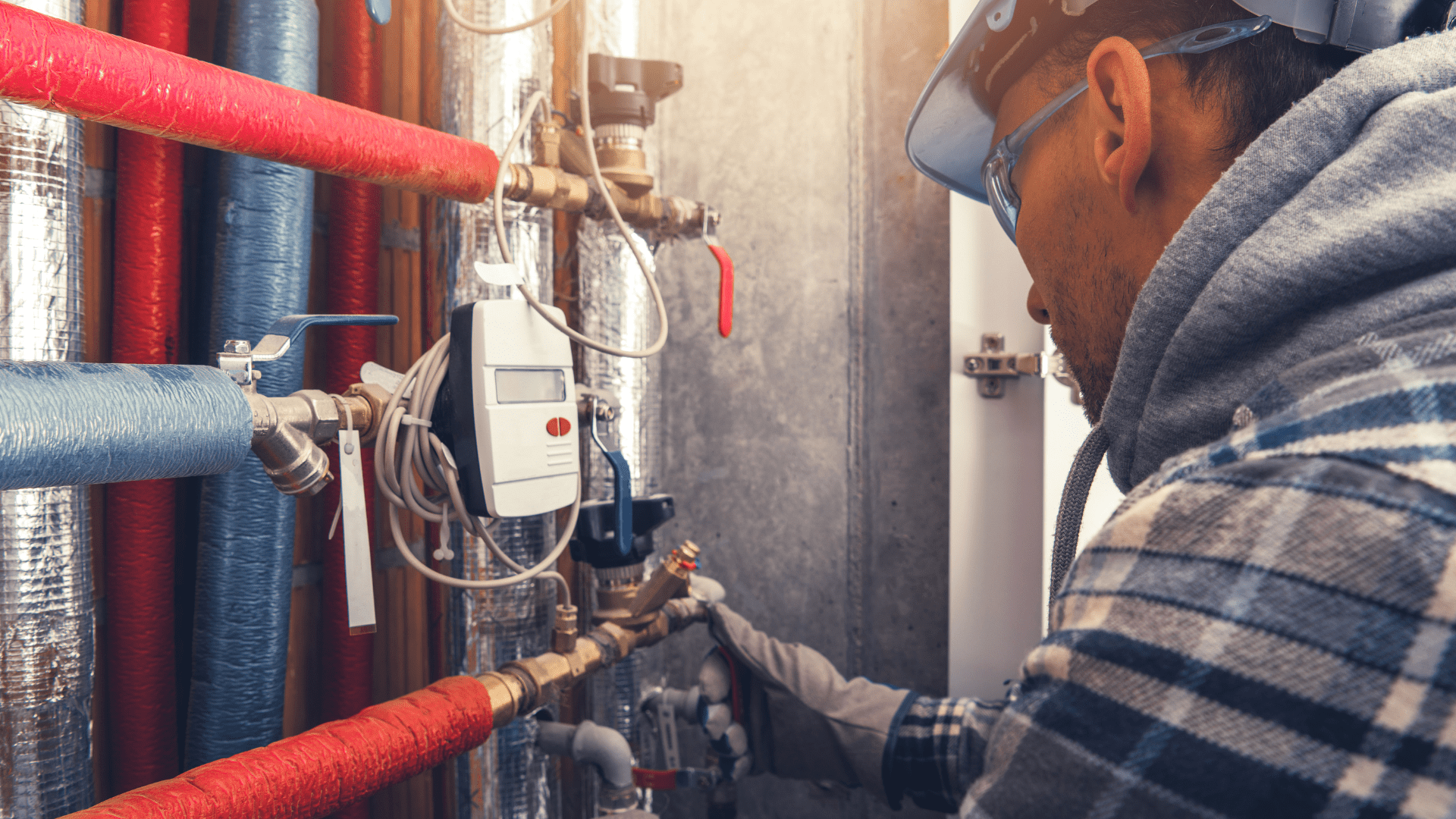
Regular home plumbing inspections are essential for maintaining a safe and efficient household. Plumbing systems, though often hidden behind walls or beneath floors, play a crucial role in daily comfort and hygiene. A strategic approach to inspecting these systems can help homeowners identify potential issues early, avoid costly repairs, and ensure the longevity of their plumbing infrastructure. The first step in an effective inspection involves understanding the layout of the plumbing system. Homeowners should familiarize themselves with the location of main water shut-off valves, water meters, and access points to pipes under sinks or behind appliances. Knowing these areas allows for quicker responses during emergencies such as leaks or bursts. Visual examination is fundamental during any inspection process. Checking exposed pipes for signs of corrosion, rust discoloration, or moisture accumulation can reveal leaks before they escalate into serious damage. It’s also important to inspect connections at joints and fittings where wear tends to occur more frequently due to pressure changes and movement.
Another critical aspect is monitoring water pressure throughout explore the details home. Excessively high pressure strains pipes and fixtures while low pressure may indicate blockages or leaks within supply lines. A simple gauge attachment can be used on faucets to measure pressure levels accurately; ideal residential water pressure typically ranges between 40 to 60 psi (pounds per square inch). Inspecting drains is equally vital since slow drainage often signals clogs that could worsen if neglected. Running water through sinks, tubs, and toilets should flow smoothly without gurgling sounds or backups; persistent problems warrant professional clearing services.
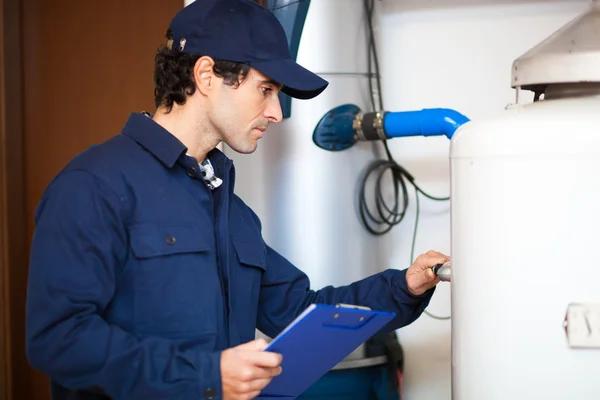
Homeowners should also check their hot water systems regularly by examining temperature settings on heaters and looking out for sediment buildup inside tanks which reduces efficiency over time. Flushing the tank annually helps maintain optimal performance while preventing corrosion inside metal components.
In addition to physical checks, paying attention to unusual sounds like dripping noises when no taps are open or unexplained increases in utility bills can point toward hidden leaks within walls or underground pipes that require specialized detection tools.
Scheduling routine inspections with licensed plumbers enhances safety by ensuring compliance with local codes and standards while providing expert assessment beyond basic homeowner capabilities.
Implementing these strategies creates a proactive maintenance routine that safeguards property value by minimizing risks associated with untreated plumbing defects such as mold growth from leaks or structural weakening caused by prolonged moisture exposure.
Ultimately, consistent attention combined with timely professional intervention fosters a safer living environment where plumbing functions efficiently without unexpected interruptions disrupting daily life routines.