Drain problems are a common issue in many households and can lead to expensive plumbing repairs if not addressed promptly. Recognizing the early signs of drain issues and taking preventive measures can save time, money, and hassle. This article explores practical ways to diagnose drain problems and offers tips to prevent costly plumbing repairs.
One of the first steps in preventing significant plumbing damage is to spot the warning signs of drain problems. Slow draining sinks, bathtubs, or showers often indicate a developing clog. You check my source may notice water pooling around the drain or a gurgling noise when the water is draining. Foul odors emanating from drains are another indicator of accumulated debris or bacterial growth inside the pipes.
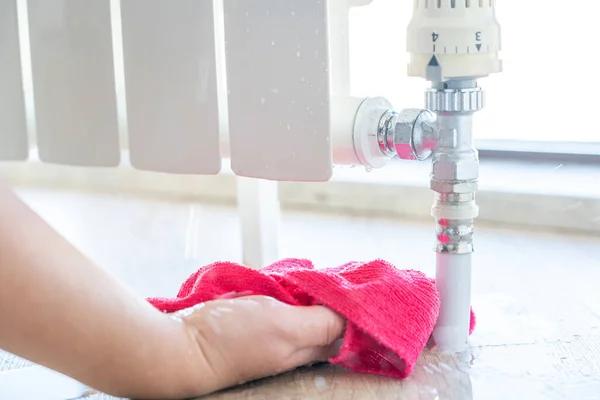
Another common symptom is water backing up into sinks or toilets. This can suggest a blockage deeper in the drainage system or even issues with the sewer line. If you observe damp spots or mold growth near walls or floors adjacent to drains, it could signal a leak or pipe damage that requires immediate attention.
Homeowners can use several practical methods to diagnose drain problems before calling a professional plumber. A plunger is an effective tool for clearing minor clogs in sinks and toilets. For slow drains, a drain snake or auger can be used to reach and remove blockages further down the pipe.
Pouring a mixture of baking soda and vinegar down the drain is an eco-friendly way to break down buildup and eliminate odors. After allowing the mixture to sit for about 15 minutes, flushing the drain with hot water can help clear grease and soap scum. Regularly using these natural remedies can maintain drain health and reduce the risk of severe clogs.
Preventing drain problems is always more cost-effective than fixing them. Avoid disposing of grease, coffee grounds, or fibrous food waste down kitchen sinks, as these materials can accumulate and cause blockages. Installing drain guards or strainers can catch hair, food particles, and debris before they enter the plumbing system.
Routine maintenance, such as monthly drain cleaning with safe chemical-free products or mechanical tools, can keep pipes clear. Additionally, scheduling periodic inspections by a professional plumber can detect potential issues early and extend the lifespan of your plumbing system. Addressing minor leaks or pipe damage promptly can prevent water damage and costly repairs in the future.
In conclusion, understanding how to diagnose drain problems and implementing preventive measures are essential for maintaining a healthy plumbing system. Regular monitoring, timely intervention, and proper maintenance can help avoid expensive repairs and ensure your drains function efficiently for years to come.