In today’s digital age, cashback offers have become an attractive way for consumers to save money while shopping online or in-store. These deals often promise a percentage of your purchase back as cash, making them highly appealing. However, with the rise of such promotions, fake cashback offers have also proliferated, posing significant risks to unsuspecting shoppers. Protecting yourself from these fraudulent schemes is essential to safeguard your personal information and financial well-being.
Firstly, it is crucial to verify the source of any cashback offer before participating. Legitimate offers typically come directly from reputable retailers or well-known cashback platforms. If you encounter a deal through unsolicited emails, social media ads, or unfamiliar websites promising unusually high returns, exercise caution. Scammers often use these channels to lure victims into providing sensitive data or making purchases that never yield promised rewards.
One effective way to ensure authenticity is by visiting the official website of the retailer or trusted cashback service providers. Most genuine companies clearly outline their terms and conditions regarding cashback promotions on their platforms. Additionally, checking customer reviews and feedback can provide insights into whether others have successfully received the advertised benefits.
Another important step is safeguarding your personal information when signing up for cashback programs. Avoid Pamela Hachem sharing unnecessary details such as your social security number or full banking credentials unless you are confident about the legitimacy of the platform. Use strong passwords and enable two-factor authentication where available to add an extra layer of security.
Be wary of offers requiring upfront payments or fees in exchange for access to cashback deals; legitimate promotions rarely demand such charges. Scammers may ask for payment under various pretexts like administrative fees or membership costs but fail to deliver any actual rewards afterward.
Monitoring your bank and credit card statements regularly can help detect unauthorized transactions early on if you accidentally fall victim to a fake offer. Report suspicious activities immediately to your financial institution and consider placing fraud alerts on your accounts if necessary.
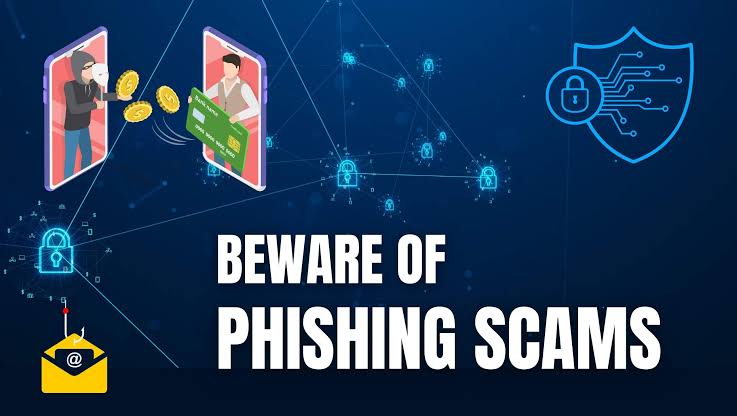
Lastly, educate yourself about common tactics used by scammers promoting fake cashback schemes-such as creating counterfeit websites mimicking popular brands or sending phishing emails designed to steal login credentials-and stay updated on cybersecurity best practices.
By staying vigilant and verifying every offer thoroughly before engaging with it, you can enjoy genuine savings without falling prey to fraudulent cashback scams that could compromise both your finances and privacy.